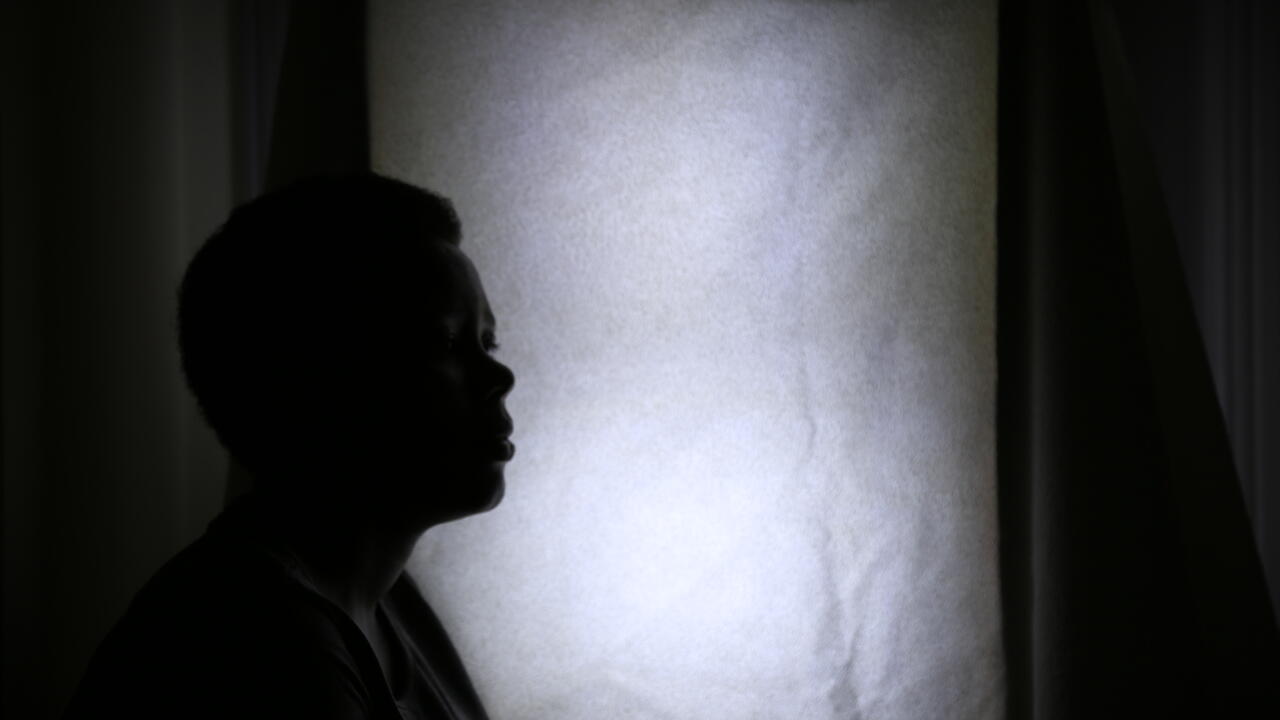
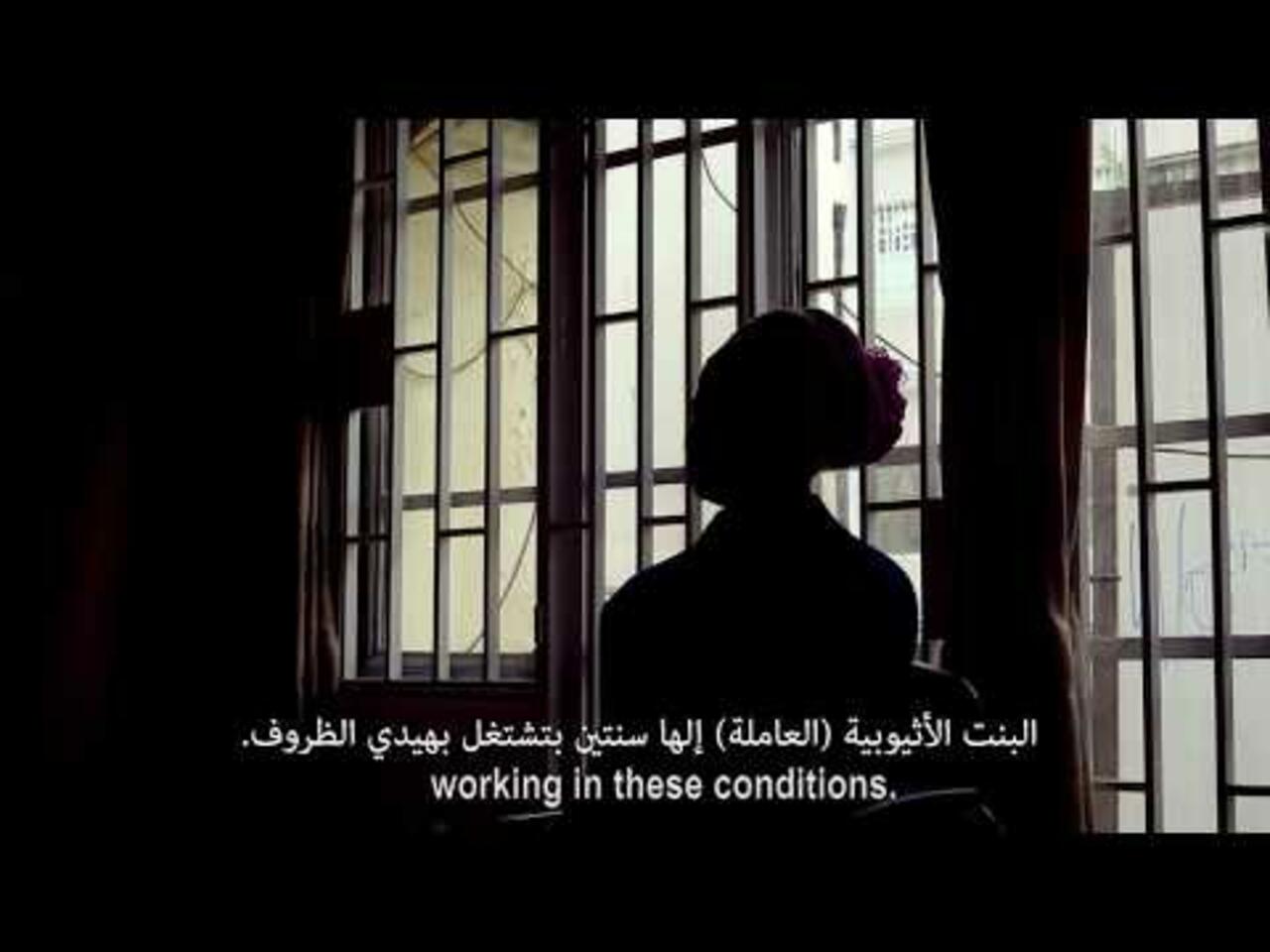
In April, a Nigerian domestic worker, who has been in Lebanon for three months, threw herself from the window. Her fall resulted in numerous bone fractures and she had to be taken to a hospital.
“They look at us like we were the Virus itself.”
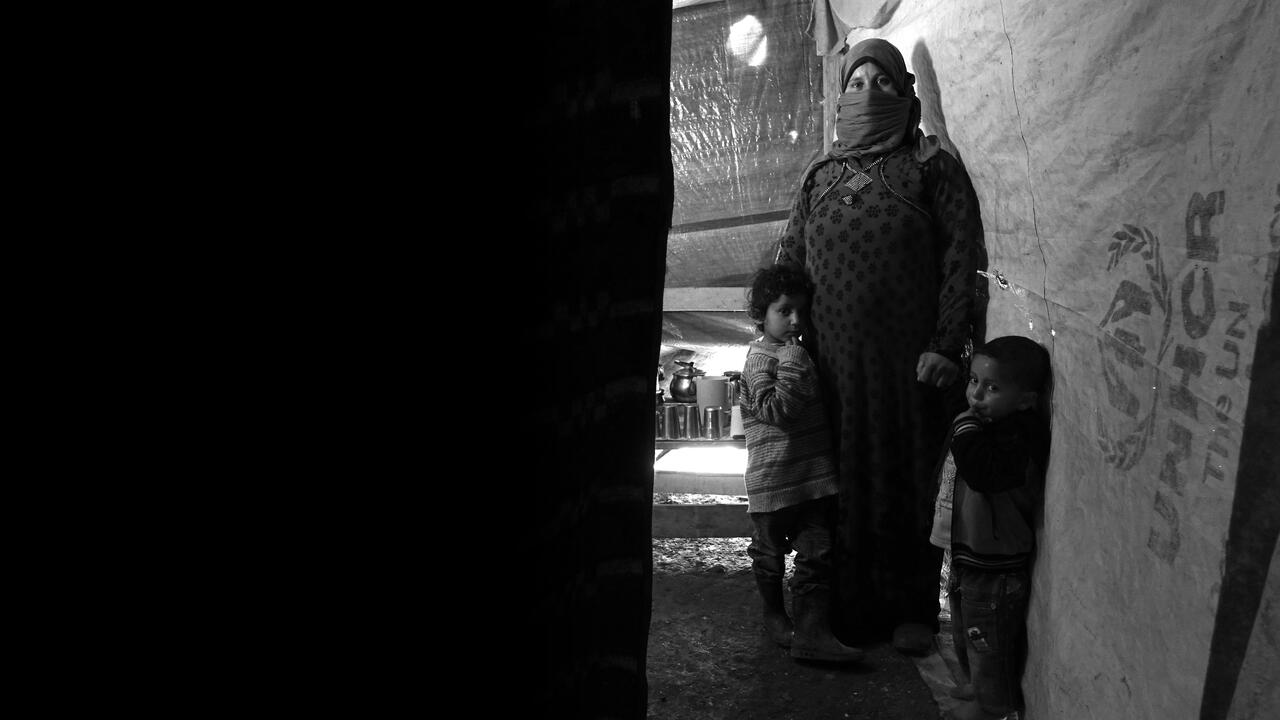
Those were the words of a Syrian woman during one of the weekly social support sessions that Kafa has been organizing for the past three weeks via WhatsApp. The sessions are attended by 142 Syrian women from 65 camps in Northern Bekaa.
Amal found a house to shelter her, however, many other victims of abuse don’t have anywhere to go due to the current situation. One woman used to find refuge at her sister’s house, in times of need, but this time, her sister could not receive her, for fear of catching the Coronavirus. Furthermore, the shelters that usually host women victims of violence are not receiving new cases, according to Kafa’s sources, for the same reason.
‘Lebanon is without personality’, because the state is not carrying out its duties and playing its role in legislating a civil law to regulate the civil status of its citizens.
Through their mediation with families over the past two years, the members working on the ‘child protection’ project and the committees were able to stop 26 child marriages.
Women whose cases were tackled by Sunni, Shiite, Christian and Druze religious courts, whose laws are similar in discriminating against women. Some of them were forcibly married as minors, some were prohibited from seeing their children and some were convicted of “disobedience” because they sought refuge at shelters.
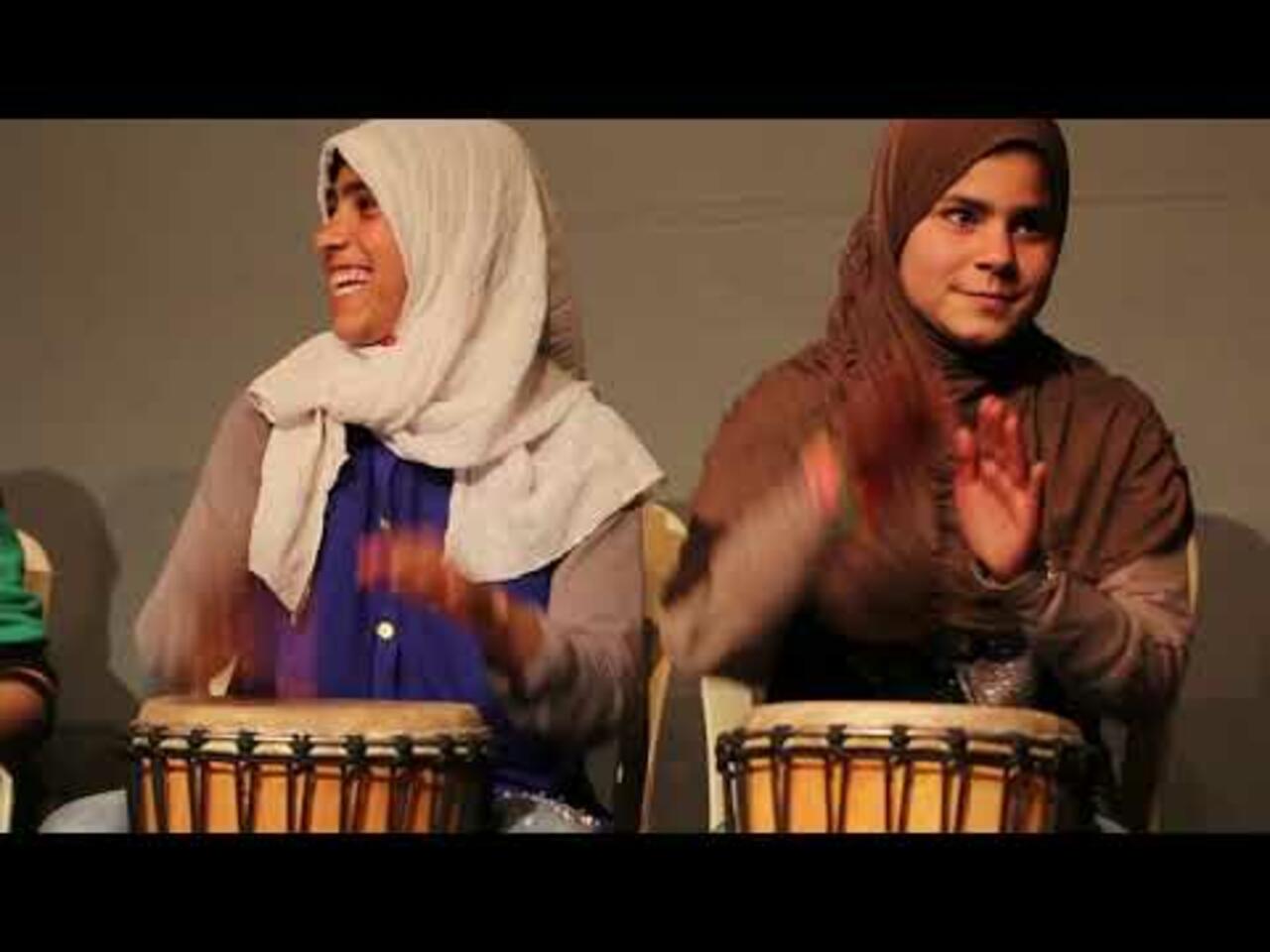
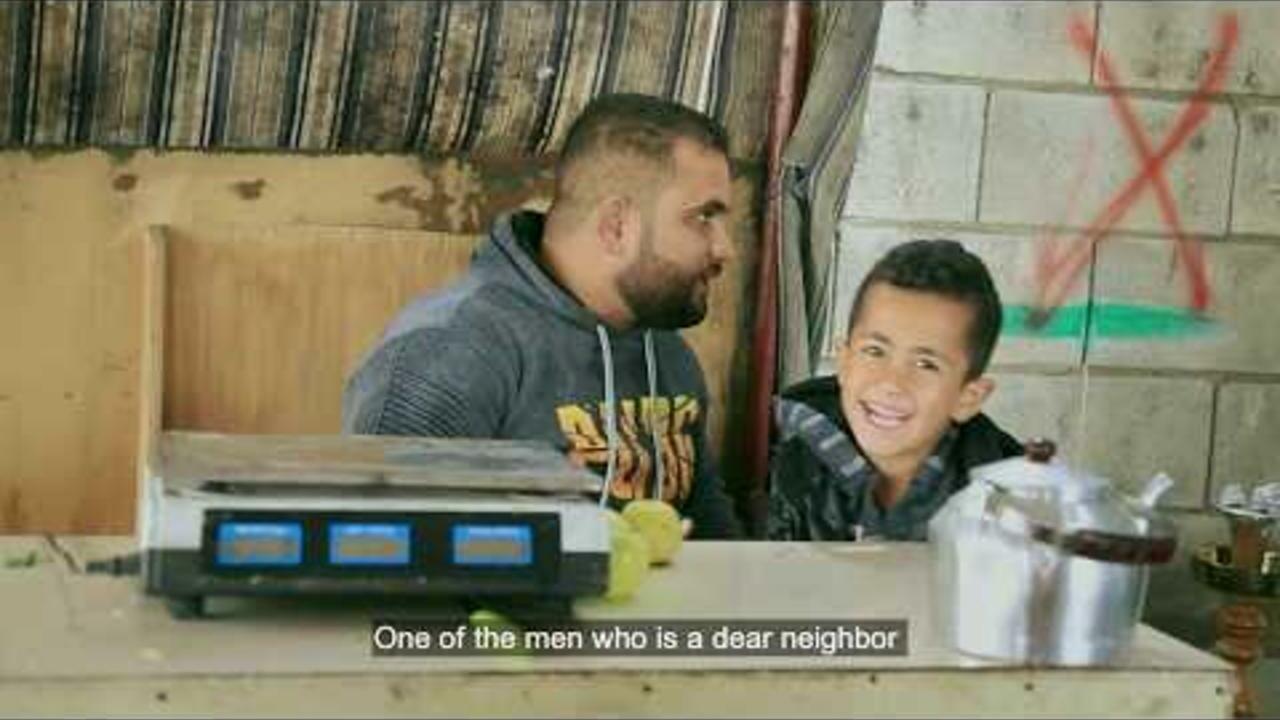
A Journey of empowerment is a short documentary that shows the first beginnings of the child protection unit at KAFA intervention in the Syrian Crisis.
My name is Mahi; I am 22 years old, and I am from Ethiopia. I came to Lebanon in 2017 to work as a domestic worker because I wanted to save some money to continue my education.
My name is Oro, (name changed) I am 28 years old and a mother of two. In my home in Ethiopia, I used to hear of many Ethiopian women who would travel to Lebanon for work to support their families. Like them, I also wanted to provide for my children, to pay for their school fees, and to buy them clothes and shoes.
Throughout her five months of domestic servitude, Tina was subjected to various forms of physical and psychological violence including detention, degrading treatment, humiliation, shouting and beating.
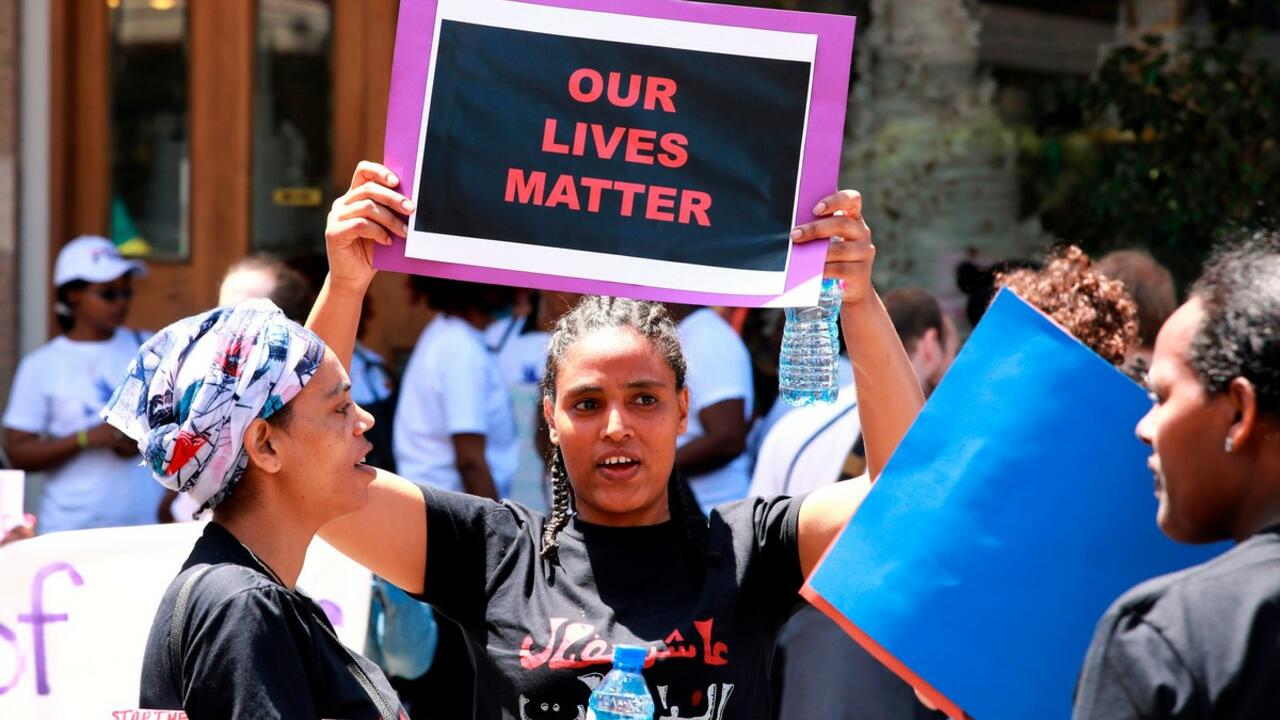
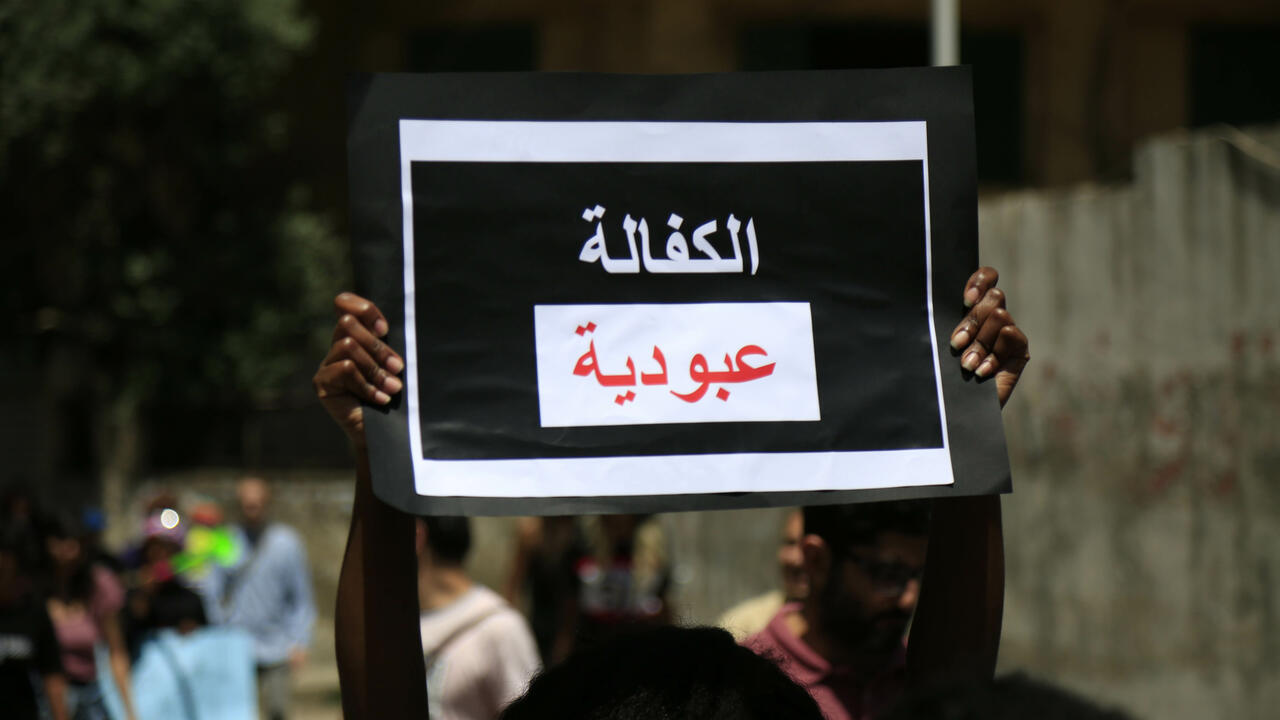
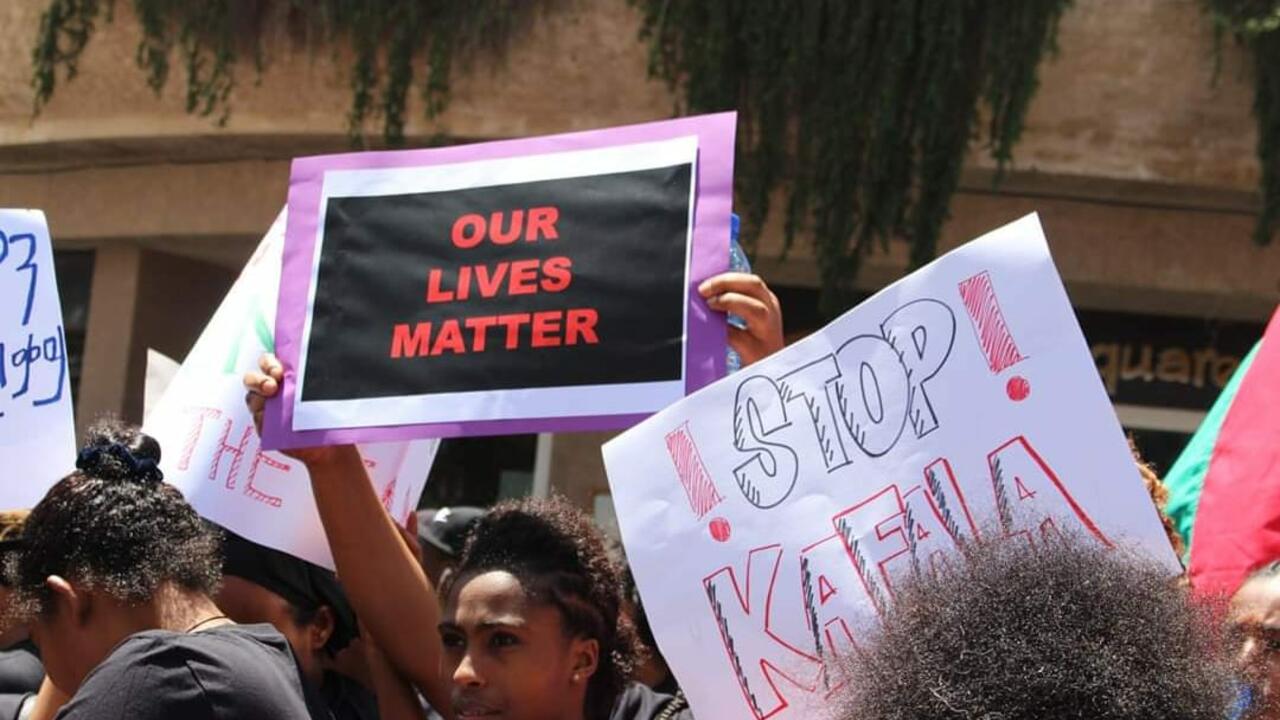
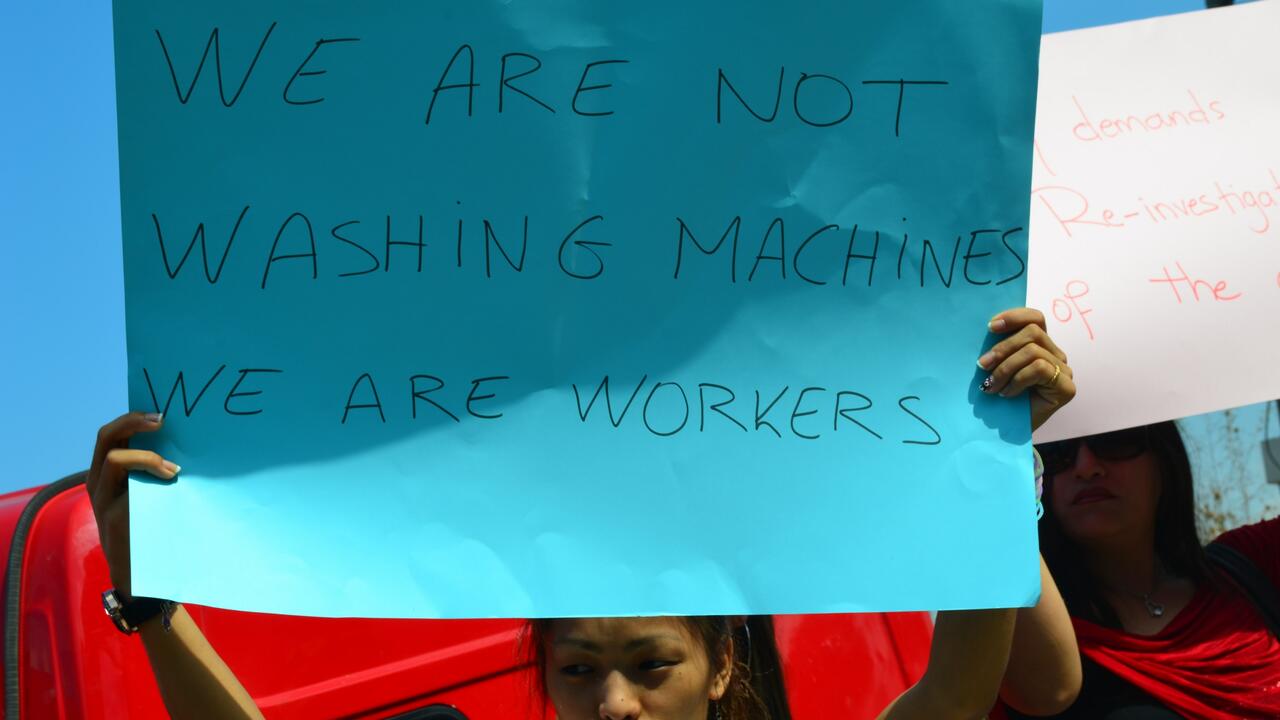
For the eighth year in a row, migrant domestic workers (MDWs) and supporters came together to claim labor rights, march, and celebrate workers' day. This past year did not witness any improvement of protection of migrant domestic workers.